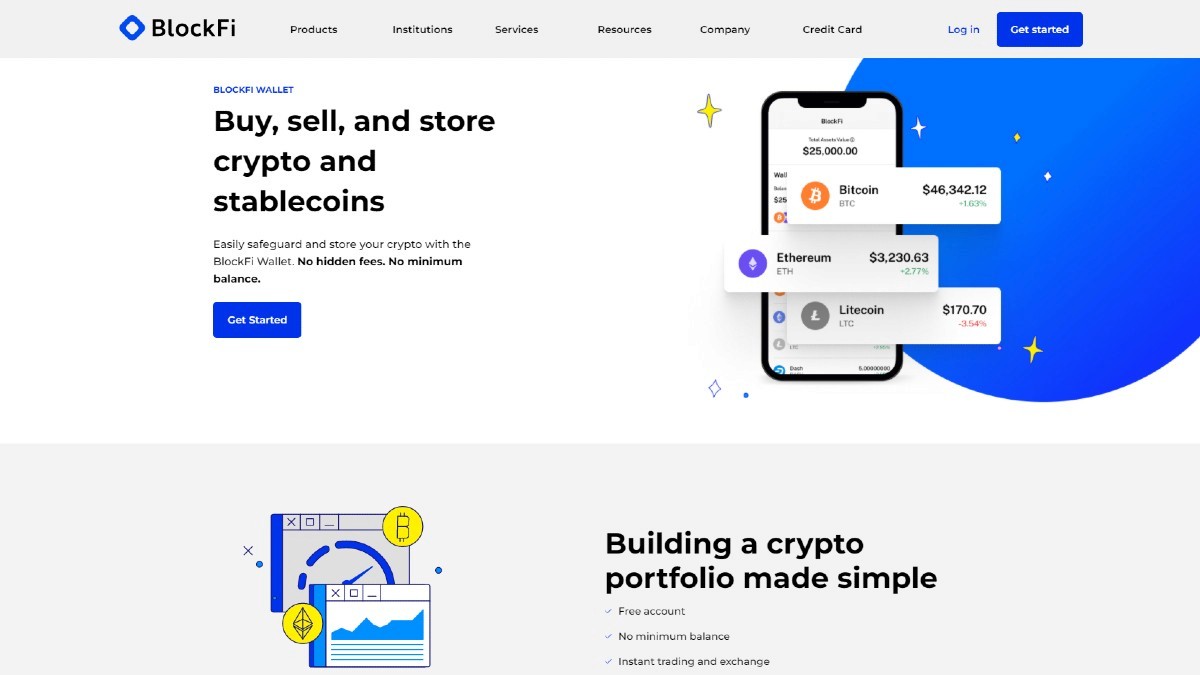
BlockFi Login: A Comprehensive 1200-Word Overview
Accessing a digital financial platform securely begins with understanding how its login process works, what safety expectations exist, and how users can navigate common features without risking their personal information. The BlockFi login experience is designed around simplicity, transparency, and security, giving users a straightforward way to access their accounts while maintaining strong protections for sensitive data.
This guide explains the BlockFi login process, essential features surrounding account access, typical login issues, security best practices, and the overall user experience. While it does not promote financial activity, it provides a clear understanding of how the login system functions from a usability and security standpoint.
Introduction to BlockFi’s Login System
The login system of any modern financial platform serves two main purposes:
Allowing authorized users to get into their accounts easily.
Preventing unauthorized access using layered security methods.
BlockFi’s login structure reflects both expectations. The primary objective for users is quick access to their dashboard, where account information and platform features are located. To achieve this, the login interface is designed to be minimalistic, intuitive, and compatible with both desktop and mobile environments.
Even though the platform has undergone major organizational changes in recent years, the foundational principles of account security remain the same. Logging in requires identity verification steps that protect customer data and reduce the likelihood of unauthorized activity. Because financial platforms must comply with strict regulatory standards, additional verification processes are used to enhance security while keeping the user experience smooth.
Understanding the Login Interface
A clear and simple login interface helps users feel confident when accessing their accounts. BlockFi’s login page typically revolves around a small set of required inputs. The idea behind keeping the design minimal is to prevent confusion. Nothing is hidden behind complex menus or cluttered screens.
The page generally includes:
A field for the registered email address
A field to enter the account password
Options for completing two-factor authentication
Basic navigation options such as “create account” or “forgot password”
Because login pages must be user-friendly for beginners and skilled users alike, the overall layout avoids complicated prompts. Minimalism also supports accessibility, ensuring that users on slower devices, mobile networks, or older browsers can still log in effectively.
Creating a Secure Login Environment
Security sits at the center of BlockFi’s login process. While the interface looks simple on the surface, the system behind it uses multiple security layers to keep user accounts protected.
Password Requirements
The password standards are designed to encourage stronger protection. Simpler passwords are more vulnerable, so users are encouraged to create long and unique combinations. Although the exact requirements may change over time, the core principle remains: a secure login starts with a secure password.
Identity Verification
During the initial creation of an account, users undergo basic identity verification. This helps ensure that accounts belong to real individuals and discourages unauthorized or fraudulent activity.
Two-Factor Authentication (2FA)
Two-factor authentication adds an essential extra step to the login process. After entering the correct email and password, the system prompts the user to confirm their identity through a secondary method such as a code generated by an authentication app or sent to a device.
This step ensures that even if someone discovers the password, the account remains protected.
Session Monitoring
Platforms like BlockFi use automated systems to watch for unusual login behavior. If a login attempt comes from an unusual location or appears suspicious, the system may require additional verification or temporarily block access.
The Process of Logging Into a BlockFi Account
While the exact steps may vary slightly depending on the device or platform version, the login process typically follows this structure:
Step 1: Opening the Login Page
Users begin by navigating to the login area within the platform’s interface. The page is optimized for quick loading and clarity.
Step 2: Entering Account Credentials
The user enters their registered email address and password. The system checks whether the email matches an existing account and whether the password is correct.
Step 3: Completing Two-Factor Authentication
If 2FA is active, the user must enter the verification code. This step significantly enhances security by forcing each login attempt to pass two independent verification checks.
Step 4: Accessing the Dashboard
Once credentials and the authentication code are accepted, the user is directed to the dashboard. This is where account information, settings, and platform tools can be accessed.
Common Login Issues and How Users Can Handle Them
Even well-designed login systems occasionally present challenges. Most login issues arise from simple errors, device problems, or forgotten credentials.
Incorrect Credentials
Typing mistakes are common, especially with long passwords. Users may also forget their password if they haven’t logged in recently. The system normally includes a password recovery option allowing users to reset their credentials safely.
Two-Factor Authentication Problems
Sometimes the verification code can be delayed or a device with the authentication app may be unavailable. In such situations, alternate recovery steps or backup codes may be needed.
Browser or Device Errors
Issues can arise from outdated browsers, blocked cookies, or slow internet connections. Clearing cache, updating the browser, or switching devices usually resolves these problems.
Temporary Account Lockouts
For safety reasons, too many failed login attempts can trigger a temporary lockout. This prevents unauthorized users from guessing passwords repeatedly. After the lockout period ends, the real user can try again.
Security Best Practices for a Safe Login Experience
Users can strengthen the safety of their login process by practicing a few essential habits:
Use Strong and Unique Passwords
A strong password minimizes the risk of unauthorized access. Using unique passwords for each platform keeps all accounts safer, even if one password is discovered.
Enable Two-Factor Authentication
2FA is one of the most effective security tools available. Users should keep it activated at all times.
Avoid Public or Shared Devices for Login
Logging in from a personal device reduces risks. Public computers may have malware or insecure networks.
Keep Devices Updated
Phone and computer updates often include important security patches. Using updated devices helps prevent vulnerabilities.
Be Alert to Phishing Attempts
Users should avoid entering login details on unfamiliar pages or responding to suspicious requests for personal information.
The Overall User Experience
BlockFi’s login system is built to offer a balance between simplicity and security. Even though the platform environment is designed for users who handle financial data, it avoids complicated login steps that frustrate beginners. The process is designed so users can get into their dashboard quickly but also safely.
The layout is clean, consistent, and free of clutter. Each button and field serves a clear purpose, making navigation intuitive. Users who log in regularly experience the same interface each time, reducing confusion and improving confidence.
By focusing on transparency and security, the platform builds trust with its users. The login experience reinforces the idea that account protection is taken seriously and that the system exists to safeguard personal data through reliable verification methods.
Conclusion
A secure and user-friendly login system is the foundation of a trustworthy digital financial platform. BlockFi’s login process combines clear design with strong security tools such as password protection, identity verification, and multi-layer authentication. These features help ensure that only authorized individuals access accounts while still offering a smooth, straightforward experience.
Even though users may occasionally face challenges such as forgotten passwords or 2FA delays, most issues can be resolved easily by following standard recovery procedures. By practicing safe login habits and staying aware of security practices, users can maintain a safer and more reliable experience whenever they access their accounts.